
ICBC vs Private Insurance: Active Rehab Coverage Differences

ICBC vs Private Insurance: Active Rehab Coverage Differences
7–10 minutes
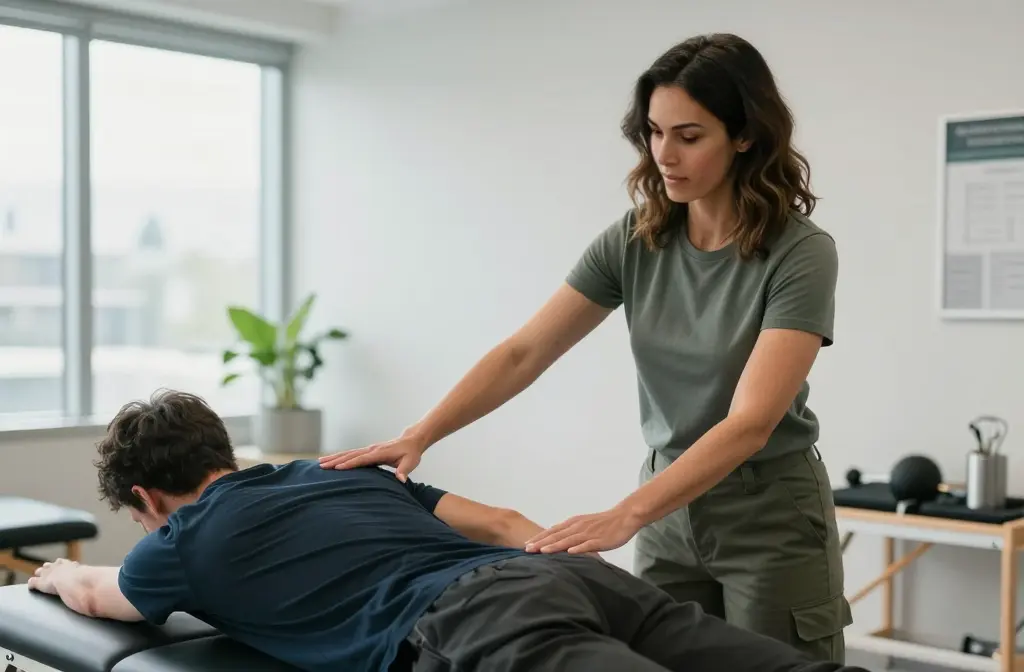

Nadia Joybari, R.Kin
✓ Registered Kinesiologist (BCAK)
✓ 10+ Years Experience
✓ ICBC Approved Provider
🎯 Key Takeaway
ICBC and private insurance both may help cover active rehabilitation, but they work very differently.
ICBC rehabilitation coverage is usually connected to motor vehicle accident injuries and often includes pre-approved treatment sessions. Private insurance coverage depends on your individual benefits plan, yearly limits, and provider eligibility.
Understanding how each system works can help you access treatment earlier, reduce confusion, and build a smoother recovery process.
If you have been injured in a car accident, during exercise, at work, or through everyday life, one of the first questions that usually comes up is this:
“Will my insurance actually cover active rehab?”
The answer depends on the type of insurance involved. In British Columbia, many people have access to either ICBC rehabilitation coverage or extended health benefits through private insurance plans. Sometimes both. But the way these systems work is very different. That difference matters more than most people realize.
Some people assume all rehab coverage works the same way. Others assume they need a doctor referral for everything. Some avoid treatment because they think they will need to pay large amounts out of pocket. And many people simply do not understand what is covered, how long coverage lasts, or which type of rehab professional they can actually see. That confusion can delay recovery.
Understanding the difference between ICBC active rehab coverage and private insurance coverage can make the process much easier to navigate. It can also help you access treatment sooner, reduce unnecessary stress, and avoid gaps in care while your body is trying to recover.
What is ICBC active rehab coverage?
ICBC active rehabilitation coverage is designed to help people recover after motor vehicle accidents in British Columbia.
After an approved ICBC claim, injured individuals may have access to rehabilitation services such as kinesiology, physiotherapy, chiropractic care, massage therapy, counselling, and other recovery-related support depending on their situation and symptoms. In many cases, treatment can begin quickly without waiting for legal processes or settlements.
That is important because recovery usually responds better to earlier intervention. When pain, stiffness, fear of movement, weakness, or altered movement patterns continue for too long without support, the body often becomes harder to calm and retrain later. ICBC active rehab commonly focuses on:
- Restoring movement
- Rebuilding strength and tolerance
- Reducing pain sensitivity
- Improving function
- Helping people return to work, exercise, driving, and daily activities
A kinesiologist may guide this process through active rehabilitation exercises, movement retraining, graded exposure, mobility work, strength progression, pacing strategies, and education around recovery. Unlike passive treatment approaches that mainly focus on temporary symptom relief, active rehab usually aims to help the body become more capable and resilient over time.
How does private insurance coverage work differently?
Private insurance coverage works very differently because it depends entirely on the individual benefits plan.
Most extended health plans are provided through employers, schools, unions, or independently purchased insurance policies. Coverage often includes services like kinesiology, physiotherapy, massage therapy, chiropractic care, and other rehabilitation services. But unlike ICBC, there is no single universal structure. Every plan can have different:
- Yearly maximums
- Session limits
- Reimbursement percentages
- Referral requirements
- Approved providers
- Direct billing options
For example:
- One plan may cover 80% of kinesiology services up to a yearly limit
- Another may only cover physiotherapy
- Another may require a physician referral before reimbursement begins
This is why two people attending the same clinic may have completely different coverage experiences. Private insurance is also usually unrelated to car accidents specifically. Coverage applies more broadly to musculoskeletal injuries, pain management, post-surgical rehabilitation, exercise therapy, and general recovery support depending on the plan. This often becomes especially useful for:
- Chronic pain management
- Sports injuries
- Postural or overuse injuries
- Workplace strain
- Post Surgery Active Rehab
- General movement rehabilitation
Which one covers kinesiology services better?
That depends on the situation. ICBC commonly includes kinesiology active rehabilitation as part of approved motor vehicle accident recovery plans. In many cases, treatment sessions may already be pre-authorized during the early stages of recovery after a collision. That can reduce financial barriers early on.
Private insurance plans, however, vary significantly. Some plans offer strong kinesiology coverage, while others may not include kinesiology at all. Some only reimburse certain provider categories. Others may require a doctor referral before coverage activates. This is why verifying benefits before treatment is important.
A registered kinesiologist can often help patients understand:
- Whether kinesiology is included
- Whether direct billing is available
- How many sessions may be covered
- Whether referrals are needed
- How claims are submitted
That clarity alone can reduce a surprising amount of stress during recovery.
Can you use both ICBC and private insurance together?
Sometimes, yes. There are situations where ICBC and private insurance may overlap depending on:
- The type of injury
- The timing of recovery
- Exhausted coverage limits
- Treatment category eligibility
- Provider requirements
For example, someone recovering from a motor vehicle accident may initially use ICBC-approved rehabilitation sessions. Later, if additional rehab is needed beyond certain approved timelines or session structures, private insurance benefits may sometimes help continue care. The exact coordination depends on the individual case and insurance rules. This is one reason why clear communication between the clinic, patient, and insurance providers matters. Recovery itself is already stressful enough. The administrative side should ideally feel as simple and organized as possible.
Why active rehabilitation matters regardless of insurance type
Whether someone is using ICBC coverage or private insurance, one thing usually matters more than the funding source itself. The quality and consistency of the rehabilitation process. Recovery from injury is rarely just about resting until pain disappears. Many injuries change:
- Movement confidence
- Strength
- Coordination
- Tissue tolerance
- Load management
- Nervous system sensitivity
This is especially true after:
- Motor vehicle accidents
- Whiplash injuries
- Chronic pain conditions
- Repetitive strain
- Post-surgical recovery
- Long periods of inactivity after injury
That is why active rehabilitation often plays such a central role.
A kinesiologist can help identify movement limitations, strength deficits, protective movement patterns, and tolerance issues that may still be contributing to symptoms even after the initial injury phase has passed. The goal is not simply to “exercise more”. The goal is to help the body tolerate life better again. That may include:
- Gradual strength rebuilding
- Pacing strategies
- Nervous system regulation
- Balance and stability work
- Return-to-work preparation
- Return-to-gym progression
- Walking or running tolerance
- Sport-specific movement retraining
For many people, this becomes the bridge between being injured and feeling capable again. This also connects closely with understanding chronic pain and yhy your body won’t stop hurting, because persistent pain is often influenced by more than tissue damage alone. Movement confidence, sensitivity, pacing, and gradual loading all matter.
When should someone seek active rehab after an injury?
Usually earlier than people think. Many individuals wait until symptoms become severe or persistent before starting rehabilitation. But early guidance can often help prevent small movement problems from becoming larger long-term issues. You may want to consider active rehab if:
- Pain keeps returning
- Stiffness is lingering
- Daily activities feel harder
- You feel weaker after injury
- You are avoiding movement out of fear
- One side of the body feels overloaded
- Recovery seems slower than expected
- You are returning to exercise after injury
- You feel “stuck” despite rest
Even when symptoms improve partially, the body may still be compensating in ways that increase strain elsewhere over time. That is one reason active rehabilitation often focuses not only on symptoms, but also on movement quality, load tolerance, and long-term function.
For runners or active individuals, this may also connect with running gait analysis and understanding their unique pattern, especially when pain, tightness, or compensation keeps showing up during walking, running, or return-to-exercise progressions.
ICBC vs Private Insurance: The Bigger Picture
The most important difference is not simply who pays. It is understanding how to use the system properly so recovery does not get delayed unnecessarily. ICBC coverage is generally structured around motor vehicle accident recovery and often allows earlier rehabilitation access after collisions. Private insurance is usually broader and more flexible across many injury types, but coverage depends heavily on the details of the individual plan.
Both systems can be extremely useful when understood properly. And in both cases, the goal remains the same. Helping your body recover function, confidence, and movement capacity in a way that feels sustainable long term.
Ready to Start Kinesiology Active Rehab?
Begin with a clinical rehabilitation plan guided by assessment, whole-body movement analysis, and your functional goals.
A Registered Kinesiologist in Vancouver can provide individualized Active Rehab to address symptoms, restore movement and function, and support a safe return to daily activities.
Located in Vancouver | Private insurance receipts available when kinesiology is covered
Frequently Asked Questions
For important health and safety information, please see our medical disclaimer, privacy policy, and terms of use.