

Understanding Chronic Pain: Why Your Body May Still Hurt After an Injury

Understanding Chronic Pain: Why Your Body May Still Hurt After an Injury
6–10 minutes

Nadia Joybari, R.Kin
✓ Registered Kinesiologist (BCAK)
✓ 10+ Years Experience
✓ ICBC Approved Provider
🎯 Key Takeaway
Chronic pain does not necessarily mean your body is permanently damaged.
In many cases, the nervous system has simply become more sensitive and protective over time.
The good news is that the nervous system can also adapt positively.
Through evidence-based Active Rehab, gradual exercise progression, movement retraining, and individualized rehabilitation, many people can significantly improve their:
- Function
- Strength
- Confidence
- Activity tolerance
- Quality of life
For people looking for Active Rehab in Vancouver, working with a registered Kinesiologist can provide a structured path back to movement, strength, function, and long-term physical resilience.
Living with chronic pain can feel frustrating, exhausting, and confusing. Many people in Vancouver continue experiencing pain months after a car accident, surgery, workplace injury, or repetitive strain issue — even after trying multiple treatments.
One of the biggest misconceptions about chronic pain is the belief that pain always means ongoing tissue damage.In reality, persistent pain is often connected to changes in the nervous system, movement patterns, physical conditioning, tissue tolerance, and pain sensitivity rather than ongoing structural injury alone.
As a registered Kinesiologist providing Active Rehab in Vancouver, I often work with individuals who feel stuck in cycles of pain, stiffness, fear of movement, reduced exercise tolerance, and ongoing physical limitations. Understanding how chronic pain works is often one of the most important first steps toward recovery.
What is chronic pain?
Acute pain is the body’s normal protective response after an injury. It usually improves as tissues heal over days or weeks. Chronic pain is different. Pain may continue long after expected healing timelines have passed. In many cases, the nervous system becomes increasingly sensitive and continues producing pain signals even when tissues are no longer significantly damaged. This can happen after:
- Motor vehicle accidents
- Workplace injuries
- Sports injuries
- Surgery
- Repetitive strain
- Long periods of inactivity
- High stress periods
For many individuals, the nervous system essentially becomes overprotective. This is one reason why some people continue experiencing symptoms despite “normal” imaging results or after being told their tissues have healed.
Why does pain sometimes continue after the body has healed?
Pain is influenced by much more than tissue injury alone. The nervous system constantly evaluates:
- Stress levels
- Sleep quality
- Previous injury experiences
- Fear of movement
- Physical conditioning
- Emotional stress
- Movement confidence
- Daily activity levels
Over time, the body can become increasingly sensitive to movement, physical stress, and activity. This is why chronic pain often affects:
- Energy levels
- Sleep quality
- Mood
- Exercise tolerance
- Work tolerance
- Daily functioning
Many individuals dealing with persistent pain after vehicle accident injuries going through ICBC care notice that symptoms become connected not only to the original injury itself, but also to reduced activity tolerance, guarding patterns, and nervous system sensitivity over time.
Why does rest alone often make chronic pain worse?
Rest can be helpful during the early stages of an injury. However, prolonged avoidance of movement can sometimes worsen chronic pain over time. People naturally begin:
- Moving less
- Avoiding activities
- Losing strength and conditioning
- Becoming fearful of movement
- Developing increased body tension
- Losing confidence in physical activity
Over time, this often creates a cycle where the body becomes even more sensitive and deconditioned. That is one reason why modern rehabilitation approaches increasingly focus on gradual movement exposure and exercise progression instead of relying only on passive treatment methods.
How does Active Rehab help with chronic pain?
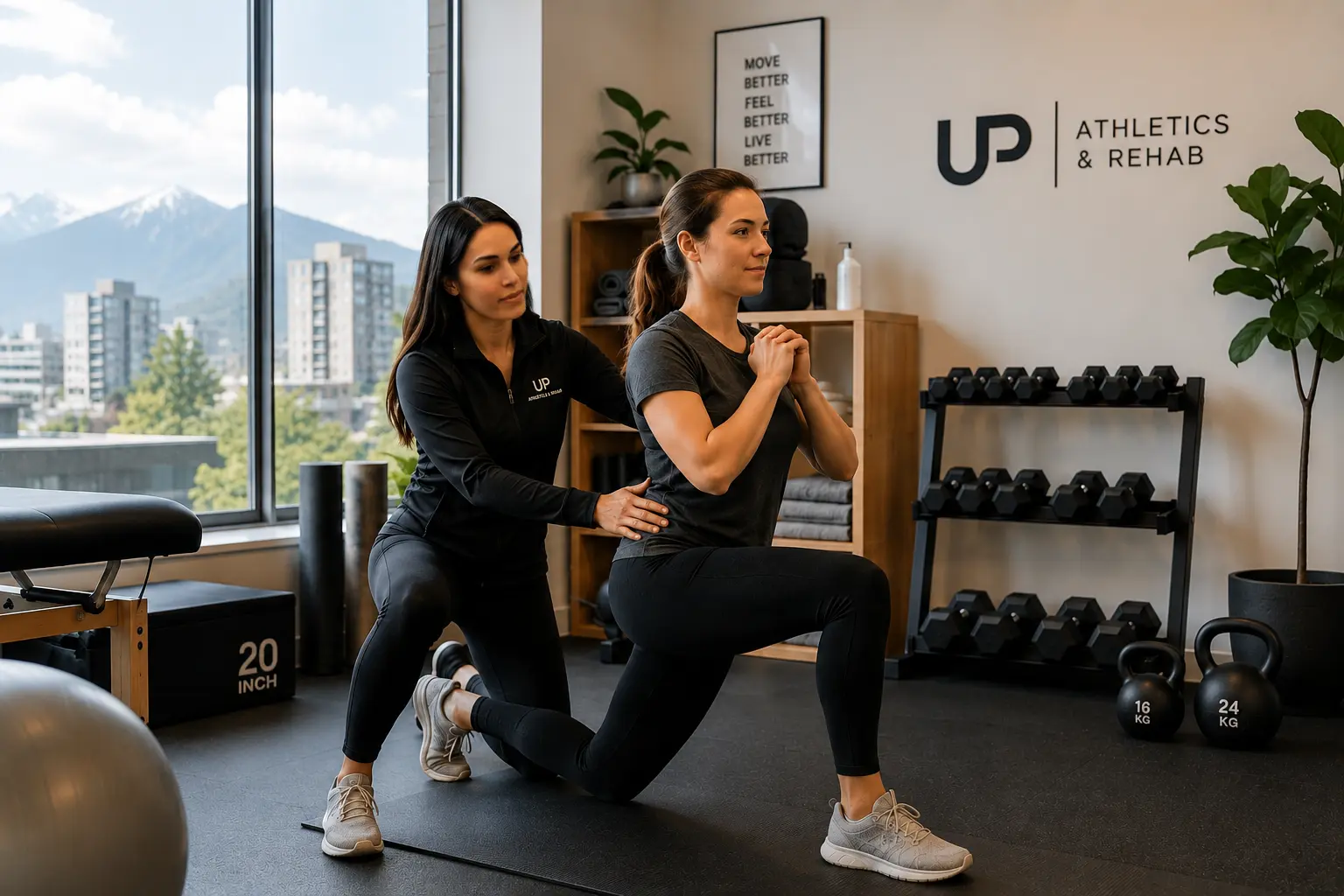
Kinesiology Active Rehab focuses on restoring movement quality, rebuilding physical capacity, and improving nervous system tolerance through structured exercise, movement correction, and progressive rehabilitation. Rather than simply trying to “push through pain,” the goal is to help the body gradually become less sensitive to movement again.
Active Rehab with a registered Kinesiologist may include:
- Movement assessment to identify limitations, compensations, or sources of pain and dysfunction
- Movement correction to reduce pain and reduce the risk of recurring injuries
- Targeted strengthening exercises to restore movement quality and function
- Recovery from injuries through progressive exercise and functional rehabilitation
- Mobility and flexibility work
- Cardiovascular conditioning
- Postural retraining
- Functional movement progression
- Breathing and nervous system regulation strategies
- Activity pacing education
- Return-to-work preparation
- Return-to-exercise progression
- Tissue capacity building to help injured or sensitive areas tolerate daily demands more confidently
Because kinesiologists are trained extensively in exercise prescription, movement assessment, progressive loading, and functional rehabilitation, Active Rehab is especially useful when pain is linked to weakness, compensation patterns, reduced tissue tolerance, or fear of movement.
For many people, rebuilding confidence in movement becomes one of the most important parts of recovery. This often overlaps closely with movement retraining and exercise-based rehabilitation approaches used in both chronic pain management and post-injury recovery.
What role does the nervous system play in chronic pain?
The nervous system acts like the body’s alarm system. After injury, this system becomes more alert in order to protect the body during healing. Sometimes, however, the alarm system does not fully calm down. Over time:
- Pain signals may become amplified
- Muscles may remain guarded or tense
- Small movements may begin feeling threatening
- Fear around activity may increase
- Stress responses may become stronger
This does not mean the pain is “imaginary.” The pain is real. But the primary driver of the pain may now involve nervous system sensitivity rather than ongoing tissue injury alone. This is why movement, exercise progression, education, sleep quality, stress management, and gradual exposure to activity often become central parts of recovery.
Why is gradual movement important for recovery?
One of the biggest mistakes people make with chronic pain is either:
- Doing too much too quickly, or
- Avoiding movement entirely
Both extremes can aggravate symptoms. Effective Active Rehab usually involves identifying a manageable starting point and progressing gradually over time. For example:
- Starting with shorter walks
- Improving sitting or standing tolerance
- Reintroducing basic strengthening exercises
- Gradually rebuilding endurance
- Slowly increasing daily activities
This type of progression helps the nervous system relearn that movement can be safe again. For active individuals, this process may also connect with running mechanics and movement pattern assessment when recurring compensation patterns continue contributing to symptoms.
How can a Kinesiologist help with chronic pain?
A registered Kinesiologist focuses heavily on:
- Exercise prescription
- Movement assessment
- Functional rehabilitation
- Progressive loading
- Activity progression
- Long-term physical conditioning
In chronic pain management, this often means helping individuals:
- Rebuild confidence in movement
- Improve physical tolerance
- Reduce fear around activity
- Improve overall conditioning
- Return to daily activities safely
- Improve long-term movement quality
- Restore tissue capacity for daily demands
At Up Athletics & Rehab, Active Rehab sessions are individualized based on:
- Symptom presentation
- Activity tolerance
- Injury history
- Movement limitations
- Functional goals
- Lifestyle demands
The goal is not simply temporary symptom relief. The focus is improving long-term function, physical resilience, movement quality, and overall capacity.
When should someone start Active Rehab for chronic pain?
Usually earlier than people think. Many individuals wait until symptoms become severe or highly persistent before starting movement-based rehabilitation. However, earlier guidance can often help prevent:
- Deconditioning
- Fear avoidance
- Chronic stiffness
- Reduced exercise tolerance
- Compensatory movement patterns
- Long-term physical limitations
You may benefit from Active Rehab if:
- Pain keeps returning
- Daily activities feel harder
- You feel weaker after injury
- Recovery feels “stuck”
- You are avoiding movement
- Symptoms increase with inactivity
- You are nervous about returning to exercise
Many people recovering from injuries eventually realize that understanding rehabilitation expectations after injury helps reduce fear and uncertainty during recovery.
How can Vancouver’s environment support chronic pain recovery?
Vancouver’s environment can actually support gradual recovery extremely well when movement is introduced appropriately. Many people benefit from:
- Seawall walking progression
- Gentle outdoor activity
- Community fitness spaces
- Low-impact cardiovascular exercise
- Nature-based movement
- Consistent year-round activity opportunities
The goal is not perfection. The goal is slowly rebuilding movement confidence and physical capacity in a sustainable and manageable way.
For individuals dealing with more complex cases, including persistent pelvic pain and long-term musculoskeletal symptoms, gradual and individualized rehabilitation often becomes especially important.
Ready to Start Kinesiology Active Rehab?
Begin with a clinical rehabilitation plan guided by assessment, whole-body movement analysis, and your functional goals.
A Registered Kinesiologist in Vancouver can provide individualized Active Rehab to address symptoms, restore movement and function, and support a safe return to daily activities.
Located in Vancouver | Private insurance receipts available when kinesiology is covered
Frequently Asked Questions
For important health and safety information, please see our medical disclaimer, privacy policy, and terms of use.